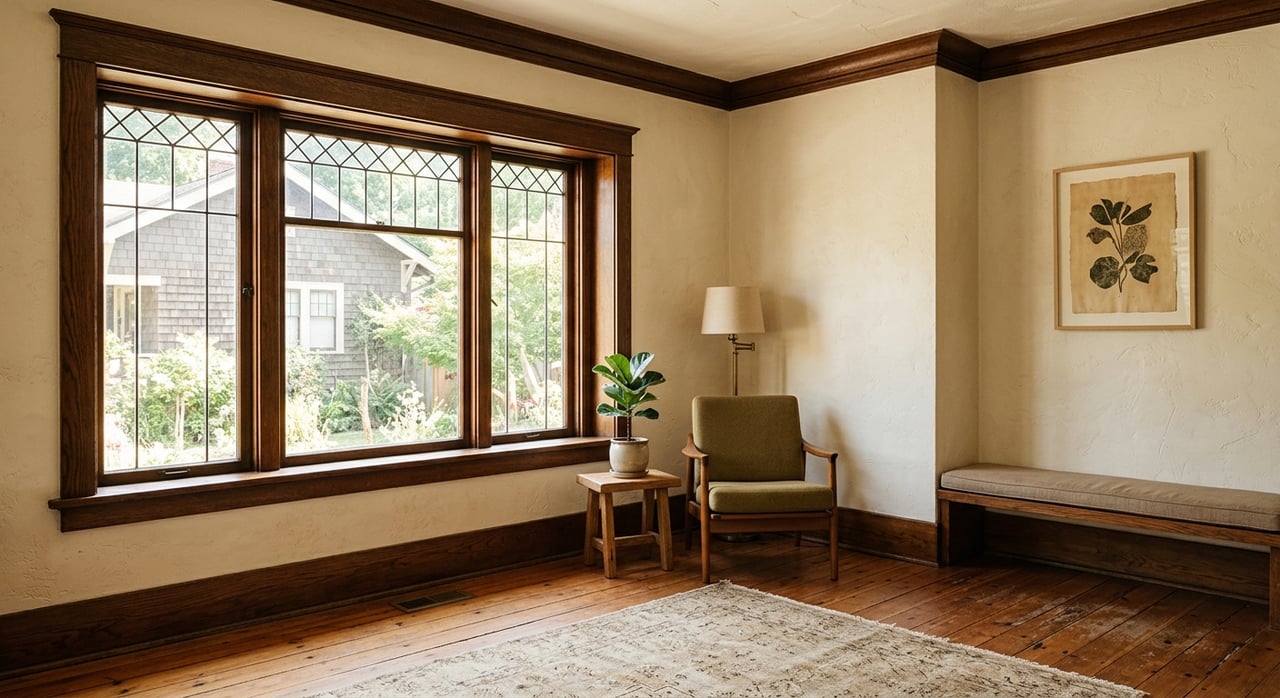
Dreaming about a Seminole Heights bungalow? You are not alone. These homes stand out for their front porches, historic charm, and architectural details that can feel hard to find elsewhere in Tampa. If you are thinking about buying one, it helps to know what makes these homes special, what to inspect closely, and what rules may affect future updates. Let’s dive in.
Why Seminole Heights bungalows stand out
Seminole Heights began developing as a streetcar suburb in 1911, and bungalows became one of the leading residential styles in the neighborhood during the early 1910s and 1920s. According to the City of Tampa’s Seminole Heights design guidelines, the area still contains a large concentration of intact historic residences in the bungalow style. That history is a big part of what draws buyers in today.
A Seminole Heights bungalow is not just one exact home type. The city notes that homes in the district range from simple cracker-style bungalows to more detailed Craftsman examples, with influences from Florida Vernacular and Cracker architecture. That means two homes with similar square footage can feel very different in style, condition, and long-term upkeep.
What features define a bungalow
When you tour homes in Seminole Heights, you will often see a few classic details repeated from property to property. These are some of the architectural cues the city identifies in the district:
- Front porches
- Low sweeping gabled or hipped roofs
- Overhanging eaves
- Exposed rafters or brackets
- Brick piers and columns
- Multiple exterior materials
- Double-hung sash windows
- Built-ins
- In some cases, camel-back or airplane second stories
These features do more than create curb appeal. They often shape how authentic the home feels and can also affect how future repairs or exterior changes should be handled.
Why originality matters when you buy
With older homes, condition matters. In Seminole Heights, originality and repair quality can matter just as much as square footage. Because many of these homes are historic, buyers should look beyond surface-level updates and pay attention to whether improvements were done in a way that respects the original character of the house.
The city’s guidance repeatedly favors repair over wholesale replacement. A useful rule of thumb is that strong updates tend to match the original home as closely as possible in size, proportion, material, color, and texture. If a renovation looks like it belongs to the home rather than fighting against it, that is often a positive sign.
Original details to look at closely
Porch details
Porch supports and ornamentation are considered character-defining features in Seminole Heights. The city emphasizes preserving original woodwork, brackets, spool columns, pylons, and brick piers. If these details have been removed, covered, or replaced with materials that look out of place, that can change the feel of the home significantly.
When you are comparing properties, take a close look at the porch. A well-preserved porch often tells you a lot about how carefully the home has been maintained over time.
Windows
Windows are another major value marker. The city says double-hung sash windows are most common in Seminole Heights and recommends keeping the original size, shape, trim, pane pattern, and operation whenever possible.
If you see metal sash replacing original wood, fixed glass where double-hung windows once were, or altered window patterns, those are details worth noting. They may affect both the home’s historic character and how future exterior work is approached.
Rooflines and siding
Rooflines help define the bungalow look. The guidelines advise maintaining the original roofline and roofing material, while wood siding is described as the prevalent exterior material in the district.
The city says wood siding should be maintained or replaced with close matches. Vinyl, aluminum, and asbestos siding are described as inappropriate in the district, so if a home has those materials, it is smart to ask questions about when they were added and what options may exist down the road.
Inspection priorities for older homes
Buying any older home means doing careful due diligence. In Florida, a home inspection is a limited visual examination of readily accessible systems and components, including the structure, electrical system, HVAC system, roof covering, plumbing system, interior components, exterior components, and site conditions.
Florida law also requires a written scope and exclusions before the inspection, plus a written report afterward. In simple terms, you should not assume a general inspection will uncover every hidden issue. For a Seminole Heights bungalow, it often makes sense to think beyond the standard inspection.
Add a wood-destroying organism inspection
For older Tampa bungalows, a separate wood-destroying organism inspection is especially important. Florida law requires a WDO report in real estate transactions when a fee is charged or a written report is requested, and the report is limited to visible, accessible areas and any visible damage or organisms.
The Florida Department of Agriculture and Consumer Services says subterranean termites are found throughout Florida and recommends reducing moisture and repairing leaks promptly. The agency also notes that homeowners insurance does not cover termite damage, which makes this a critical item for buyers to review early.
Check for lead-based paint disclosure
If the house was built before 1978, lead-based paint disclosure should be part of your due diligence. The EPA says buyers have the right to know whether lead-based paint hazards are present before signing a contract, and sellers must disclose known information and provide available records, reports, and the lead pamphlet.
Because many Seminole Heights bungalows date to the early 20th century, this is a routine step, not an unusual one. It does not automatically mean there is a problem, but it does mean you should review disclosures carefully.
Verify flood and evacuation status by address
Do not assume flood or evacuation status based on the neighborhood name alone. Tampa explains that flood zones and evacuation zones are different, and both should be checked by property address.
This is one of those details that can affect insurance planning, storm preparation, and your comfort level with a specific property. It is best to verify it directly for each home you are seriously considering.
Historic district rules can affect future plans
One of the biggest things buyers miss is how historic district rules may shape future renovations. The City of Tampa uses the Seminole Heights design guidelines, together with the Secretary of the Interior’s Standards, when the Architectural Review Commission reviews construction activity in the district.
The city’s historic district maps can help determine whether a structure is contributing or non-contributing, but the city also warns buyers not to rely on the map alone. If you are unsure about a home’s status, city staff can help clarify it.
Exterior changes may need review
Many exterior changes in the district can trigger review before work begins. The guidelines state that changes to roofs, siding or stucco, windows, porch ornamentation, foundation elements, and other visible exterior features may require a Certificate of Appropriateness.
Any new construction within the Seminole Heights Historic District requires one as well. If you are buying a bungalow and already imagining a new porch design, replacement windows, or major exterior updates, it is wise to understand this process before you close.
Permits matter too
The city’s permit system covers residential work such as roofing and remodeling, and Tampa Construction Services provides building permit and inspection services. For buyers, that means renovation plans should be approached with care.
A contractor who understands both permit workflow and historic district requirements can save you time and frustration. The city’s guidelines also recommend seeking advice from Architectural Review Commission staff early and consulting an architect with preservation experience for projects.
A smart pre-offer research checklist
Before you make an offer on a Seminole Heights bungalow, a little extra research can go a long way. Here are a few practical steps to keep in mind:
- Review the home’s visible historic details, especially porch elements, windows, roofline, and siding
- Ask about the age and quality of major updates or repairs
- Read seller disclosures carefully
- Plan for a general home inspection
- Consider a separate wood-destroying organism inspection
- Confirm whether lead-based paint disclosure applies
- Verify flood zone and evacuation zone by address
- Check property details through the Hillsborough County Property Appraiser’s property search
- Cross-check available permit information with the city if renovation history matters to you
- If you plan future exterior work, ask early whether historic review may apply
How to buy with confidence
A Seminole Heights bungalow can offer character, history, and a strong sense of place, but it also calls for a more thoughtful buying process. The goal is not to be intimidated by age or historic details. The goal is to understand what you are buying, what has been changed, and what ownership may require over time.
When you look closely at condition, authenticity, inspections, and property-specific rules, you put yourself in a much stronger position to make a confident decision. In a neighborhood where no two bungalows feel exactly alike, that kind of clarity matters.
If you are thinking about buying in Seminole Heights and want calm, practical guidance along the way, Angela Erb is here to help you navigate the details with a local Tampa perspective.
FAQs
What makes a Seminole Heights bungalow different from other Tampa homes?
- Seminole Heights bungalows often feature front porches, low rooflines, overhanging eaves, exposed rafters or brackets, brick piers, double-hung sash windows, and other early 20th-century details identified by the City of Tampa.
What should you inspect first when buying an older Seminole Heights bungalow?
- Start with a general home inspection, then strongly consider a separate wood-destroying organism inspection, and review lead-based paint disclosure if the home was built before 1978.
What original features matter most in a Seminole Heights bungalow purchase?
- Porch supports and ornamentation, original woodwork, double-hung sash windows, rooflines, and wood siding are some of the most important character-defining features noted in the city’s guidelines.
What renovation rules apply to Seminole Heights historic homes?
- In the historic district, exterior changes to items like roofs, siding, windows, porch details, and other visible features may require review and a Certificate of Appropriateness before work begins.
How can you verify flood and evacuation information for a Seminole Heights home?
- Tampa says flood zones and evacuation zones are different, so both should be checked by the specific property address rather than assumed from the neighborhood alone.
Where can you verify property details before making an offer in Seminole Heights?
- Buyers can use the Hillsborough County Property Appraiser’s property search to look up parcel information by address, owner, folio, or parcel number and compare that information with city permit and flood resources.