Selling a home in Temple Terrace can feel simple at first. Put it on the market, wait for offers, and move on. In reality, this local market tends to reward sellers who price carefully, prep thoughtfully, and present their home with intention. If you want to attract strong interest without losing time to price cuts or weak offers, a smart plan matters. Let’s dive in.
Understand the Temple Terrace market
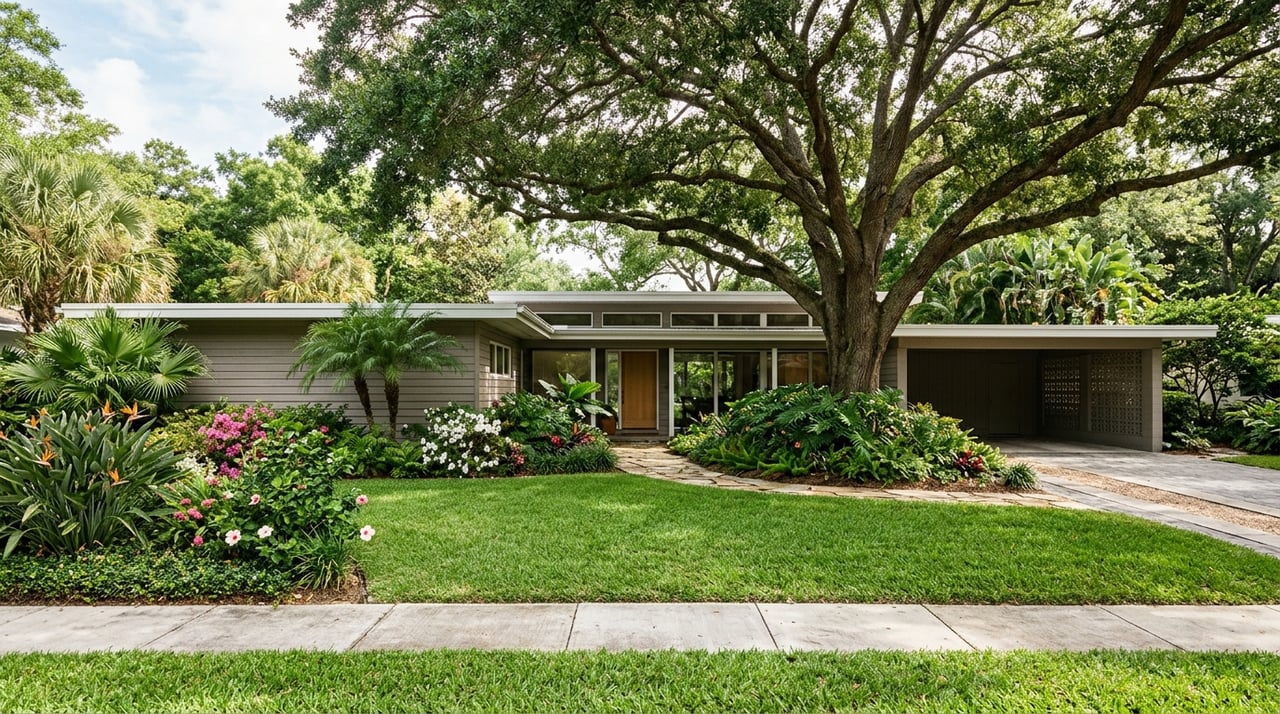
Temple Terrace has a distinct identity within the Tampa area. It is known for tree-canopied streets, river-adjacent settings, historic housing stock, and a long-standing golf-course heritage. Its location next to the University of South Florida also gives it steady appeal for buyers who want close-in access to major institutions and employment centers.
The market itself appears mixed rather than overheated. Recent data points vary by source, with Zillow showing an average home value of $325,344 and 28 days to pending, while Redfin reports a median sale price near $395,000 and 56 median days on market. Realtor.com has also described Temple Terrace as a balanced market, which means sellers usually benefit more from precision than optimism.
In plain terms, this is not the kind of market where inflated pricing gets forgiven. Buyers are comparing options carefully, and many are paying close attention to condition, insurance considerations, and how well a home fits their needs.
Time your sale with preparation first
Spring is still the strongest selling season in Florida. Florida Realtors reports that Tampa-area sellers who list in mid-April may see prices about 5% to 6% higher than at the start of the year, along with listing views more than 26% above a typical week. That makes spring an important window if your timing is flexible.
Still, timing only helps if your home is actually ready. In Temple Terrace, it often makes more sense to finish repairs, improve presentation, and get your pricing strategy in place before launching. A polished home that hits the market slightly later can outperform a rushed listing that feels incomplete.
That matters even more in a balanced market. If you need to sell outside the spring window, you can still have success, but your pricing and presentation need to stay grounded in current market conditions.
Price with truly comparable sales
One of the biggest mistakes sellers make is relying too much on broad citywide averages. In Temple Terrace, pricing works best when it is based on recent nearby sales that closely match your property. That includes property type, lot style, condition, age, size, and outdoor features.
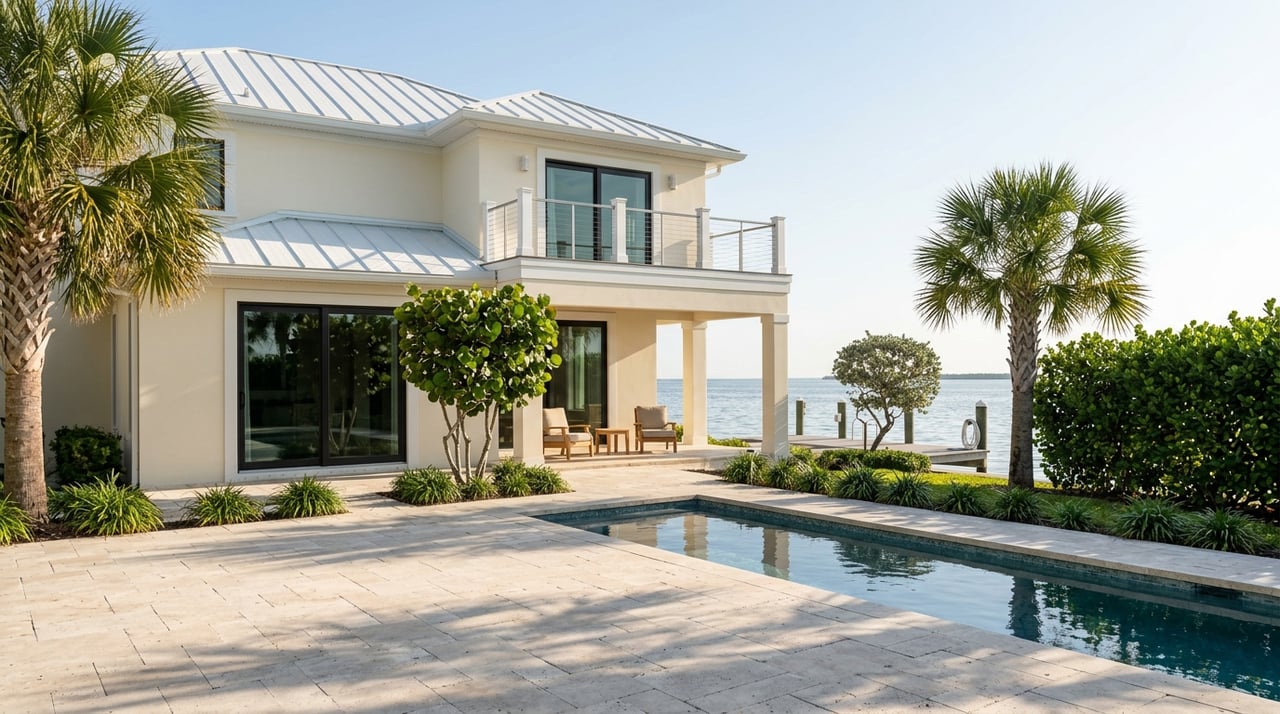
Temple Terrace has a wide mix of homes, and small differences can affect buyer reaction. A renovated ranch with a screened lanai may not compare well to an older home with deferred maintenance. A river-adjacent property may also be viewed differently than one farther inland, especially if buyers are thinking about flood exposure or insurance costs.
Recent local numbers show why precision matters. Realtor.com reported a 97% sale-to-list ratio and 71 median days on market, while Zillow reported a $375,500 median list price and 28 days to pending. Those figures do not mean your home should be priced by average alone. They show that outcomes can vary, so your comp set has to fit your specific home.
What a strong comp set should match
- Same neighborhood or a nearby submarket when possible
- Similar square footage and bedroom and bathroom count
- Similar age, lot size, and property style
- Similar condition and level of updates
- Similar outdoor features, such as a pool, screened lanai, mature trees, or river-adjacent setting
- Similar flood exposure or insurance profile when relevant
A careful pricing strategy can help you attract serious buyers early. That is often where sellers gain leverage, especially when buyers have choices.
Focus on prep that buyers notice
When buyers scroll through listings, first impressions happen fast. Photos, curb appeal, and visible condition all shape how your home is perceived before anyone ever steps inside. In a balanced market, that presentation can make a meaningful difference.
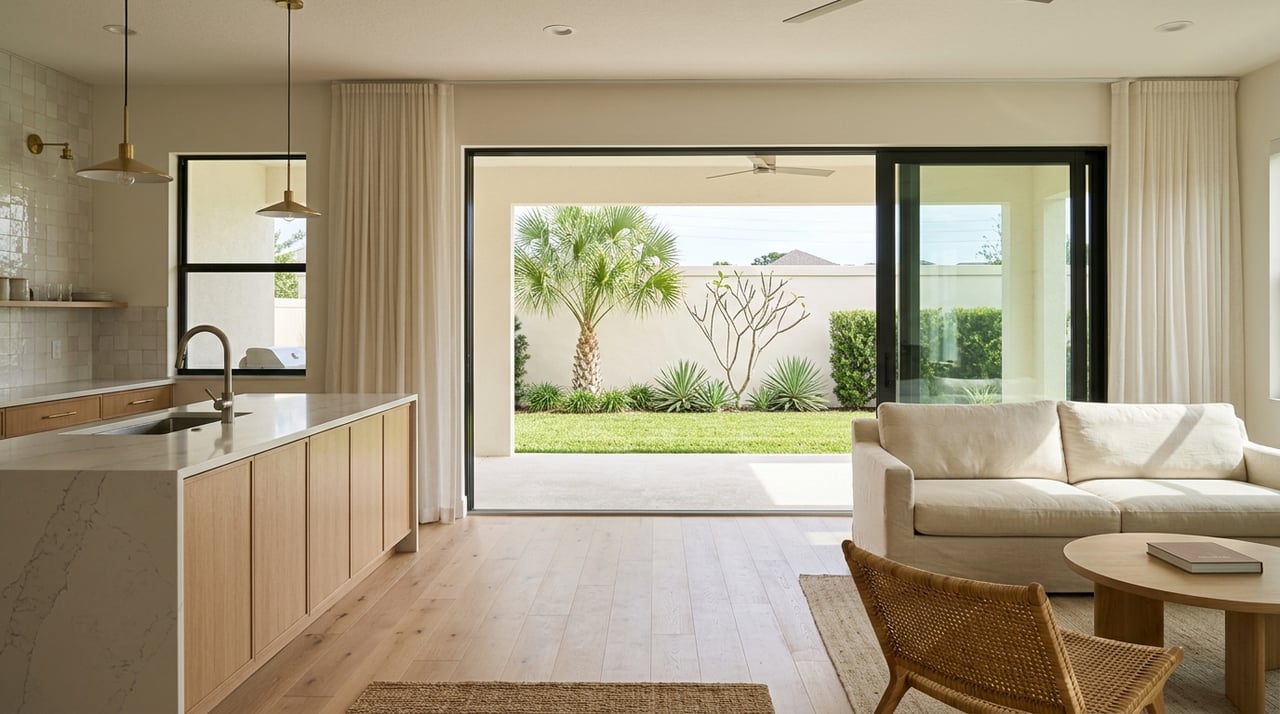
National seller guidance points to several prep steps that tend to matter most. Cleaning windows, carpets, walls, and light fixtures can make a home feel brighter and better maintained. Decluttering also helps buyers focus on the space itself instead of your belongings.
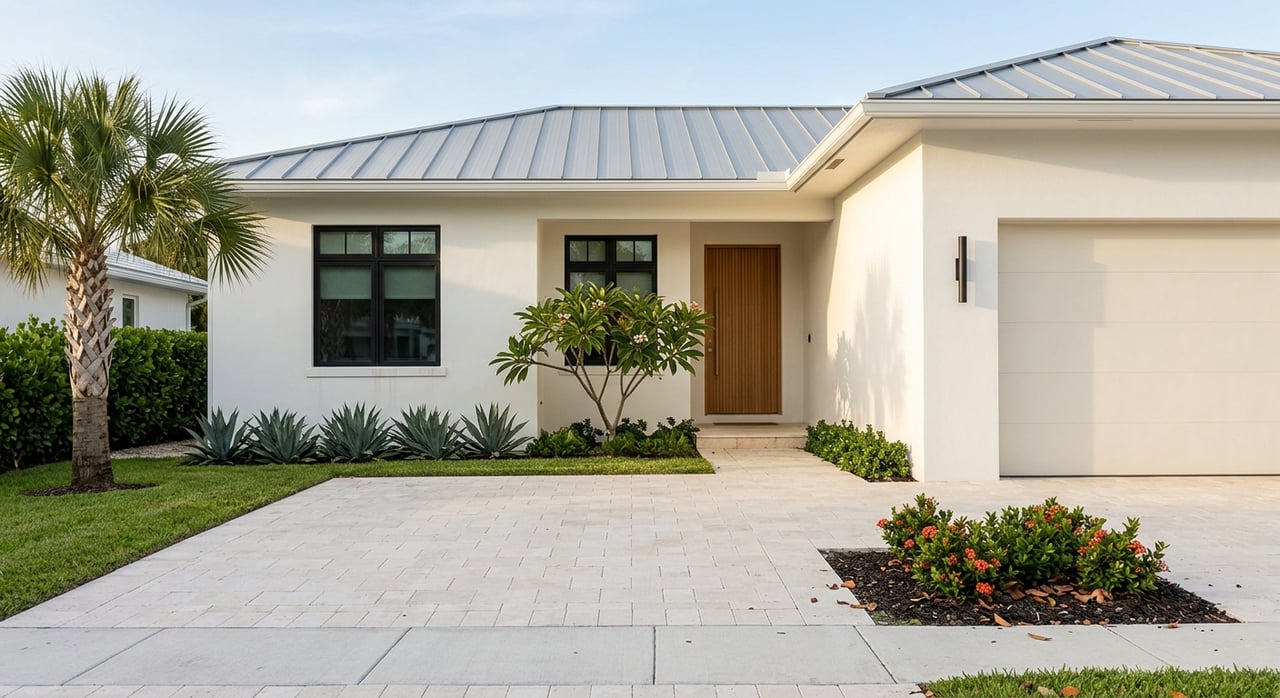
Curb appeal still carries real weight. Landscaping, a clean front entrance, and fresh paint in key areas can improve both listing photos and in-person showings. Buyers are often less willing to overlook visible maintenance issues than they were a few years ago, so neutral presentation and solid upkeep usually matter more than highly personal upgrades.
Prep projects that often pay off
- Paint the whole home or key rooms in neutral tones
- Refresh exterior paint where needed
- Clean up landscaping and trim overgrowth
- Improve the front door or garage door appearance
- Replace worn or stained carpet if it hurts the overall look
- Address noticeable roof, plumbing, HVAC, or electrical concerns before listing if possible
A pre-sale inspection is not required, but it can help you spot issues before buyers do. If a major system is aging, it is helpful to know the likely replacement cost early so you can decide whether to repair it, offer a credit, or price around it.
Highlight Temple Terrace outdoor appeal
Temple Terrace has a strong outdoor identity, and that can work in your favor. The city highlights its tree canopy, Hillsborough River views, Riverfront Preserve, Riverhills Park, and more than 300 acres of parks and recreation land. If your home has usable outdoor space, that feature deserves real attention in your prep and marketing.
A clean yard, trimmed landscaping, and a tidy patio or lanai can improve buyer response. Exterior photos also matter here, especially when your lot has mature trees, a river-adjacent setting, or outdoor spaces that feel private and usable. These details support the lifestyle side of the sale.
That said, do not start major tree work without checking local rules. Temple Terrace requires permits for pruning large limbs or removing protected and grand trees. If you are considering exterior cleanup beyond routine maintenance, it is smart to verify city requirements first.
Be ready for flood and insurance questions
Because the Hillsborough River is the city’s identified flood source, some buyers will ask flood-related questions early. That is especially true for homes in or near areas where insurance and drainage concerns may affect monthly costs or overall comfort.
Temple Terrace’s flood-awareness guidance says properties in Special Flood Hazard Areas should carry flood insurance. The city also notes that gutters, downspouts, and drainage matter, and it encourages residents to review FEMA flood mapping before making decisions. For sellers, the takeaway is simple: be ready with clear, organized information.
If your home has features that help with drainage or stormwater flow, make sure those are in good shape. If your property has flood insurance, a buyer may appreciate understanding that early in the process. Clear communication can reduce uncertainty and help buyers evaluate your home with confidence.
Consider local demand drivers
Temple Terrace benefits from more than neighborhood charm. Its location next to the University of South Florida and Moffitt’s Magnolia campus adds another layer of buyer interest. USF serves nearly 50,000 students across its campuses, and Moffitt reports more than 10,000 employees.
That does not mean every listing will attract relocation buyers, but it does create a logical pool of potential demand. Faculty, staff, researchers, healthcare professionals, and other buyers who want an easier commute may find Temple Terrace especially convenient.
If your home is easy to maintain, offers flexible living space, or supports a practical daily commute, those points may resonate. Location alone will not overcome weak pricing, but it can strengthen your home’s appeal when the basics are done well.
Build a strategy, not just a listing
Selling in Temple Terrace is rarely about one magic move. It is usually the combination of smart pricing, strong prep, clear presentation, and local positioning that creates momentum. In a market that appears balanced rather than overheated, details matter.
Your goal is not just to get on the market. Your goal is to launch in a way that makes buyers feel your home is well cared for, fairly priced, and worth seeing quickly. That kind of strategy can lead to better interest, stronger offers, and a smoother sale.
If you are thinking about selling in Temple Terrace and want calm, practical guidance from a Tampa-native REALTOR, Angela Erb can help you create a thoughtful plan from pricing through closing.
FAQs
What is the best time for selling a home in Temple Terrace?
- Spring is often the strongest window in Florida, especially around mid-April, but the best timing for your sale also depends on how prepared your home is before listing.
How should you price a home in Temple Terrace?
- You should price your home using recent comparable sales that closely match its location, size, condition, lot style, outdoor features, and possible flood or insurance profile.
What home improvements matter most before listing in Temple Terrace?
- The most helpful updates are usually visible, practical ones such as cleaning, decluttering, neutral paint, landscaping, and addressing obvious maintenance concerns.
Do flood zones affect selling a home in Temple Terrace?
- Yes, buyers may ask about flood exposure, drainage, and insurance early, especially for properties near areas where the Hillsborough River may influence flood risk.
Why do outdoor spaces matter when selling a Temple Terrace home?
- Temple Terrace is known for its tree canopy, parks, and river setting, so a clean yard, trimmed landscaping, and usable patio or lanai can improve buyer interest and listing photos.
Does being near USF help when selling a Temple Terrace property?
- It can, because the area may appeal to buyers who want convenient access to the University of South Florida, Moffitt’s Magnolia campus, and nearby employment centers.